


















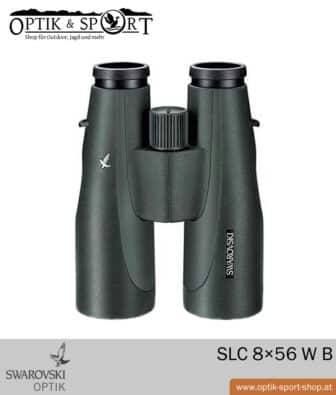
Swarovski SLC 15×56 W B Binoculars
€ 3.086,00 (€ 2.571,67 excl. VAT)
The Swarovski SLC 15×56 W B binoculars
- new Model
- Free delivery within Germany
- All prices include VAT.
SWAROVSKI binoculars SLC 15×56 W B
It will Light with the experienced specialist for details at long distances with 15-fold EnlargementThe magnification of a binocular model is perhaps the most misunderstood feature. High magnification can be useful! " More info.
The SLC 15×56 binoculars is the Specialist for long-distance observation. With its 15x magnification and the optimised optics in combination with impressive Edge sharpnessFor technical reasons, image sharpness decreases from the centre of the image to the edge with every lens (due to the shape of the lens). " More infoenables special insights - even in extensive areas.
The extended recessed grips and the balanced weight ensure maximum ease of use.
Swarovski binoculars facts
10-year manufacturer's warranty
✅ 78 m Field of visionThe size of the field of view indicates the width of the terrain that can be observed through the binoculars at a distance of 1000 metres. " More info
✅ Wide angle
✅ Roof edgeThe main difference between the roof edge and the Porro system is the roof edge, where one of the reflective surfaces resembles a house roof (see picture below). " More info PrismLenses have the property of imaging objects upside down and laterally inverted - therefore the image must be rotated again. " More info
✅ Robust magnesium housing
Suitable for spectacle wearers
SWAROCLEAN technology
Through this The non-stick effect makes cleaning with Soiling such as water stains, insect repellents or tree resin.
SLC 15×56 binoculars - a solid specialist for long distances
With the SLC 15×56 hold specialist binoculars with a still moderate weight in your hands. The SLC 15×56 is solid at any weather - day after day. It also impresses with its Particularly high optical quality. You will enjoy these robust and ergonomic binoculars for many years to come.
Technical details Binoculars SWAROVSKI SLC 15×56 W B
Here you will find all the technical data for the SWAROVSKI SLC 15×56
| Swarovski binoculars: | SWAROVSKI SLC 15×56 |
| EnlargementThe magnification of a binocular model is perhaps the most misunderstood feature. High magnification can be useful! " More info: | 15-fold |
| LensWhen we talk about the objective lens of binoculars, we mean the front lens. The front lens is the foremost lens of the objective. " More info Ø LensThe use of aspherical lenses leads to a reduction in the overall length of the binoculars and in some cases to a significant reduction in weight. " More info: | 56mm |
| Exit pupilIn addition to the twilight number, the binocular exit pupil at the eyepiece of the binoculars is also very important for seeing in twilight (twilight vision). " More info Ø: | 3.7mm |
| Field of visionThe size of the field of view indicates the width of the terrain that can be observed through the binoculars at a distance of 1000 metres. " More info at 1000m: | 78m |
| Subjective viewing angle: | 62° |
| EyecupsFor spectacle wearers, all DDoptics binoculars are equipped with retractable eyecups. This makes observation easier and enlarges the field of vision. " More info: | Metal |
| Prism type: | Roof edgeThe main difference between the roof edge and the Porro system is the roof edge, where one of the reflective surfaces resembles a house roof (see picture below). " More info PrismLenses have the property of imaging objects upside down and laterally inverted - therefore the image must be rotated again. " More info |
| Housing material: | Magnesium |
| Beading technology: | Swaroclean |
| Lens type: | |
| Enclosure armouring: | Rubber |
| Interpupillary distanceThe interpupillary distance is the optimum distance between the eyepiece lens and the pupil of the eye. " More info EyepieceThe eyepiece is the lens group of an optical system that faces the eye. The eyepieces consist of several separate lenses - achromats (3-6 individual lenses). " More info: | 16mm |
| Spectacle wearerLooking through binoculars with glasses reduces the field of view by 50-60%. An eyepiece with dioptre compensation offers a remedy for short-sightedness or long-sightedness. " More info Eyepiece: | Yes |
| Close-up shot: | 3.9-UE m |
| Dioptre adjustment: | centre |
| Dioptre compensation: | ±5 DioptresThe dioptre correction on the eyepiece is used to compensate for different visual acuities of the eyes. " More info |
| Light transmissionLight transmission is the ability of optical glass or optical systems to "let through" as many light rays as possible. " More info: | 93% |
| Twilight numberIn order to be able to recognise details over long distances even in twilight, binoculars with high magnification and corresponding twilight performance (e.g. 10x56 or 8x56) are recommended. " More info: | 29 |
| NitrogenFilling with dry nitrogen (nitrogen filling) reduces the moisture content during assembly and thus prevents the inside of the lens from fogging up later. " More info Filling: | Noble gas |
| WaterproofWith a watertight lens, a clean and dry gas filling in the form of an argon or nitrogen filling creates an "internal climate" that prevents fogging. " More info: | 4m |
| Dimensions h/w/t: | 192x141x73mm |
| Weight: | 1200g |
| Weight | 0,700 kg |
|---|---|
| Brand / Trade mark | |
| Colour | |
| Lens diameter | x56 mm |
| Enlargement | 15x magnification |
| Binocular suitability | Astronomy, hunting, birdwatching |
| Binoculars size | 15×56 |
Be the first to review “Swarovski SLC 15×56 W B Fernglas”
Related products
For you!
NEW
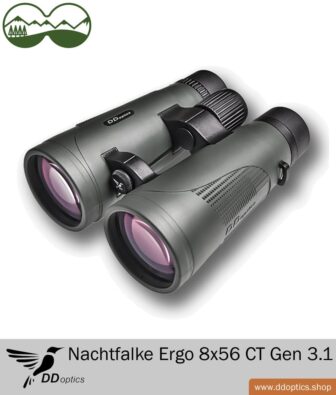
Original price was: € 385,00.€ 357,00Current price is: € 357,00. (€ 297,50 excl. VAT)
For you!
-10% Discount
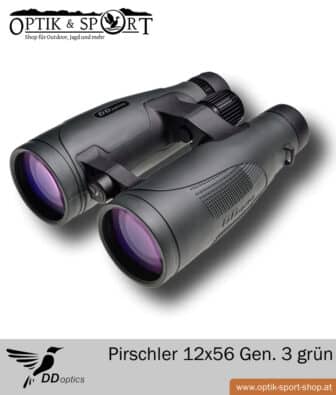
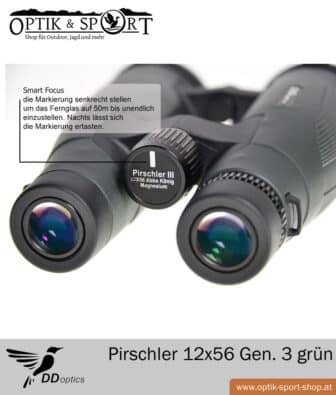
12x magnification
Original price was: € 685,00.€ 616,00Current price is: € 616,00. (€ 513,33 excl. VAT)
For you!
NEW
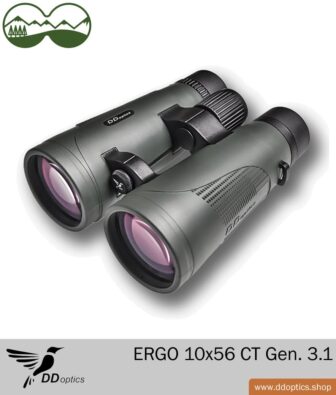
10x magnification
Original price was: € 387,00.€ 358,00Current price is: € 358,00. (€ 298,33 excl. VAT)
For you!
NEW
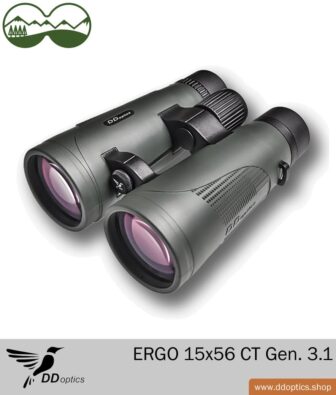
15x magnification
Original price was: € 395,00.€ 366,00Current price is: € 366,00. (€ 305,00 excl. VAT)
For you!
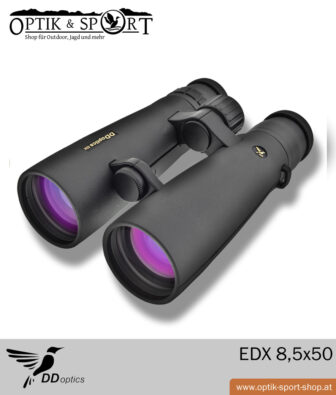
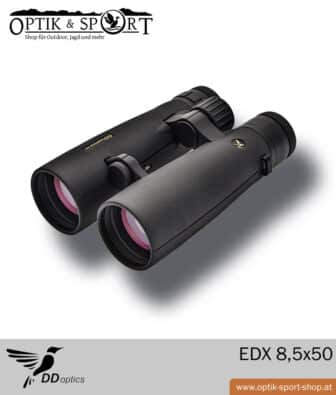
50 mm lens
Original price was: € 1.167,00.€ 1.132,00Current price is: € 1.132,00. (€ 943,33 excl. VAT)
For you!
Price hit
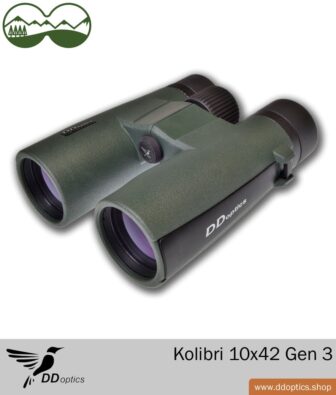
10x magnification
(1)
Original price was: € 329,00.€ 305,00Current price is: € 305,00. (€ 254,17 excl. VAT)
For you!
HOT
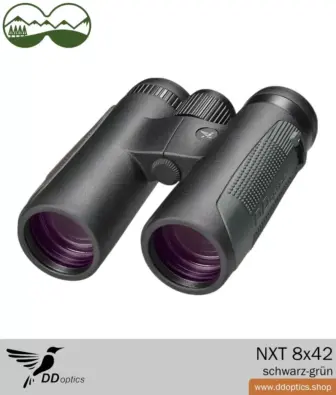
For you!
-10% Discount
15x magnification
Original price was: € 695,00.€ 625,00Current price is: € 625,00. (€ 520,83 excl. VAT)
You may also like…
For you!
56 mm lens
Original price was: € 2.205,00.€ 2.160,00Current price is: € 2.160,00. (€ 1.800,00 excl. VAT)
For you!
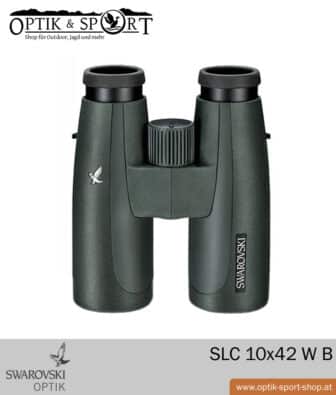
10x magnification
Original price was: € 1.660,00.€ 1.488,90Current price is: € 1.488,90. (€ 1.240,75 excl. VAT)
For you!
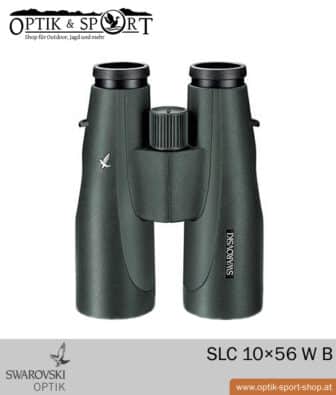
10x magnification
Original price was: € 2.030,00.€ 1.780,00Current price is: € 1.780,00. (€ 1.483,33 excl. VAT)
For you!
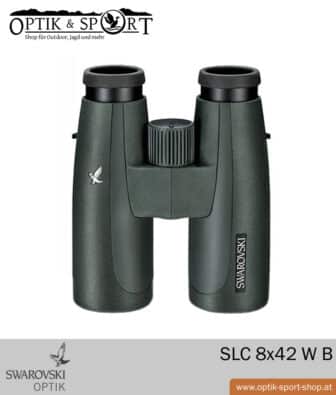
42 mm lens
Original price was: € 1.580,00.€ 1.405,99Current price is: € 1.405,99. (€ 1.171,66 excl. VAT)
Reviews
There are no reviews yet.